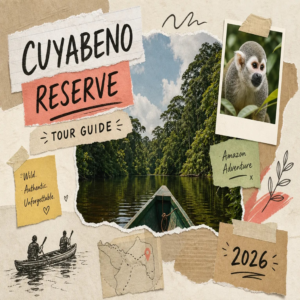
As your Cuyabeno reserve tour guide resource for 2026, this page covers everything a first-time visitor needs to make a confident booking decision, from logistics and wildlife expectations to guide credentials and real costs. Cuyabeno Wildlife Reserve spans a vast stretch of flooded Amazon forest, and the gap between an average trip and an unforgettable one comes down to a few concrete decisions: itinerary length, guide credentials, and the physical position of your lodge relative to the wildlife. The reserve traces its origins to conservation ecologist Dr. Daan Vreugdenhil, and the lodge he established on Lake Cuyabeno, Cuyabeno Lodge, still operates today, sitting on its own island directly on the lake. That founding history is worth understanding when you’re comparing operators.
Getting to the reserve: what US travelers need to plan for
Most travelers reach Cuyabeno by overnight bus from Quito’s Quitumbe terminal, with departures typically between 9:00 and 11:30 pm and bridge arrival around 8:00 to 9:30 am the next morning. The total transfer from Quito runs 10 to 14 hours depending on your route. Some operators arrange direct tourist transport straight to the Cuyabeno bridge, which skips a Lago Agrio connection entirely and cuts down on confusion for first-timers.
If you’re connecting through Lago Agrio, expect an additional 1.5 to 2 hours of road transfer from town to the bridge. Travelers who want to skip the overnight bus entirely can fly Quito to Lago Agrio in about 35 minutes, with one-way fares starting around $64. Most reputable tour packages coordinate Quito pickup points and handle the logistics, so ask your operator exactly what’s included before you assume anything.
Your Cuyabeno reserve tour guide: what each day actually looks like
From the bridge, a motorized canoe takes you through flooded forest to your lodge, a journey that can run several hours depending on your operator and destination. Guiding starts the moment you push off: a skilled Amazon naturalist guide is already calling out hoatzins, caimans, and river dolphins before you arrive. The arrival day sets the tone for everything that follows.
A full day in the reserve follows a rhythm built around animal activity. Pre-dawn birding comes first, the forest still cool and loud with calls before sunrise. Breakfast follows, then a morning jungle hike through the understory while temperatures are manageable. The midday heat demands a rest, and afternoons shift to lagoon or canoe excursions when the light turns golden and wildlife moves again toward the water. Evenings bring dinner and then a night walk or caiman-spotting trip by headlamp. Mid-tour days typically include a visit to a Siona or Secoya indigenous community. Longer itineraries of 4 to 5 days consistently reveal more because each day targets different habitats and wildlife windows.
Sample 4-day itinerary at a glance
Day 1: Quito pickup or Lago Agrio connection, bridge arrival by mid-morning, canoe transfer to lodge, afternoon lagoon excursion, caiman-spotting at night. Day 2: Pre-dawn birding, jungle hike, afternoon paddling on the lake, night walk. Day 3: Indigenous community visit, afternoon wildlife canoe, sunset from the lake. Day 4: Early morning dolphin watch, canoe return to bridge, onward travel.
Realistic wildlife expectations on guided excursions
Cuyabeno is genuinely one of the best places in South America to see pink river dolphins, woolly and squirrel monkeys, black caiman, giant river otter, and anaconda. The reserve supports hundreds of bird species, and hoatzins and Amazon kingfishers turn up on nearly every departure. Blue-and-yellow macaws, white-throated toucans, and great egrets are also commonly encountered along the waterways and forest edge at dawn.
No credible guide promises a specific sighting. What experienced guides working in Cuyabeno do instead is use animal behavior patterns, timing, and intimate local knowledge to stack the odds in your favor. Small group sizes matter here: a group that moves quietly through the forest and on the water will reliably encounter more wildlife than a large, loud party. Ethical guides maintain respectful distances from animals and never bait or disturb wildlife, which protects both the ecosystem and the quality of your experience long-term.
What separates a great Cuyabeno guide from a mediocre one
Ecuador’s guiding system recognizes three main credential tiers: local guide, national guide, and specialized guide. A national naturalist guide holds a tourism-related degree, demonstrated foreign-language ability, and first-aid training. A specialized guide adds area-specific certification and backcountry first aid. When evaluating operators, ask directly for guide credentials rather than accepting marketing language at face value. Some lodges also hold TourCert certification, an independent standard that verifies sustainable tourism operations.
Guide credentials matter, but lodge location is equally important and often overlooked. Some lodges in the reserve sit along the river and require additional boat transfers just to reach Lake Cuyabeno, which can reduce the time available for guided excursions. Cuyabeno Lodge sits on its own island directly on the lake, so guests step off the dock into the heart of the reserve’s most productive wildlife habitat. When you’re comparing operators, ask specifically where the lodge is positioned relative to the lake, it’s one of the most practical questions you can ask, and good operators will answer it directly.
Cuyabeno reserve tour guide: what tours cost in 2026 and what’s included
Current 2026 pricing generally runs as follows:
- 3-day tour:approximately $240, $370 per person
- 4-day tour: approximately $300, $430 per person
- 5-day tour: approximately $330, $630 per person
- 6-day tour: approximately $590 and up per person
At most price points, packages include accommodation, all meals, a bilingual naturalist guide, guided jungle canoe tours within the reserve, rain ponchos, rubber boots, and life jackets. Budget-tier options at the low end of these ranges often compromise on guide experience or lodge proximity to key wildlife areas.
Standard exclusions include transport between Quito and the Cuyabeno bridge, indigenous community visit fees (typically $10 per person), alcoholic beverages, and gratuities. Tipping norms vary, but a common approach is $10, $20 per day for your guide and a separate amount for lodge staff, confirm specifics with your operator, since practices differ. Factor those costs in before comparing packages head-to-head, or you’ll underestimate your total trip cost by a meaningful margin.
Seasonal notes and practical planning tips
Cuyabeno receives rain year-round, but water levels peak between March and August, when flooded forest becomes truly accessible by canoe and wildlife concentrates along the waterways. The drier months from September through February bring lower water and easier jungle hiking but slightly less canoe access to interior lagoons. Either season offers excellent wildlife viewing, the experience simply shifts in character. Pack lightweight, quick-dry clothing, insect repellent with DEET, a headlamp, binoculars, and waterproof bags for gear. Yellow fever vaccination is recommended for entry into Ecuador’s Amazon region; consult your travel medicine provider well before departure.
Planning your 2026 Cuyabeno trip
This Cuyabeno reserve tour guide comes down to a few clear priorities: choose a 4 to 5 day itinerary, verify guide credentials before you pay, and select a lodge positioned where the wildlife actually is. Those three decisions account for most of the difference between a trip that feels rushed and one that stays with you.
Cuyabeno Lodge didn’t just arrive at the reserve; it helped shape it. Dr. Vreugdenhil’s original vision for conservation on Lake Cuyabeno is what the lodge still operates from today. Reach out directly via WhatsApp to ask about 2026 availability and get straight answers on exactly what your package includes, dates, guide credentials, group size, and all the logistics covered in this guide.