Picture this in the Cuyabeno Wildlife Reserve: your canoe drifts across a black-water lagoon as the last light drains from the sky. Two pink river dolphins surface ten feet off the bow, arcing through water the color of strong tea. From the forest wall behind you, howler monkeys start their evening call: a low, rolling sound that carries across the water like something prehistoric. You’re not dreaming, and you’re not watching a nature documentary. You’re in the Ecuadorian Amazon, and this is a Tuesday.
Cuyabeno Wildlife Reserve covers 590,112 hectares of protected rainforest in northeastern Ecuador, in a region bordering Peru to the south. It was officially decreed in 1979 and expanded to its current size in 1985. Relatively little known to most US travelers, the reserve is one of those destinations where the people who have been there tend to describe it as the single best wildlife experience of their lives, ranking it well above destinations with far more name recognition. This guide gives you everything you need to plan a real trip: when to go, how to get there, what you’ll see, and which lodge puts you closest to the action.
There’s also a backstory here worth knowing. The scientist who proposed the reserve’s creation later built a lodge directly on its most iconic lake. That lodge, CUYABENO LODGE, BEING FIRST, WE CHOSE THE BEST SPOT, is still operating today, and understanding why it was built where it was built tells you something important about how to choose your base for this trip.
What Cuyabeno Wildlife Reserve actually is
The reserve sits in the upper Amazon basin, northeast of Quito, in a region defined by blackwater rivers and an interconnected system of lagoons rather than solid jungle floor. Officially known in Spanish as the Reserva de Producción Faunística Cuyabeno, it is classified as a wildlife production reserve rather than a national park, a designation designed from the start to balance strict habitat protection with sustainable human use by indigenous communities. That distinction shapes everything from how the reserve feels to how it’s managed (see CUYABENO WILDLIFE RESERVE, ECUADOR [2022]).
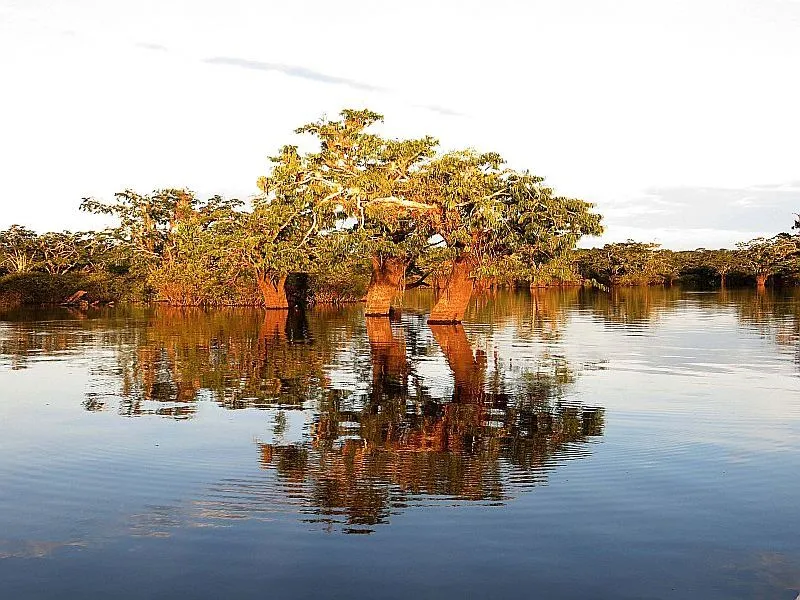
The defining ecological feature is the flooded forest. Cuyabeno contains large stretches of igapó and várzea, forest types where trees grow with their root systems permanently or seasonally submerged.
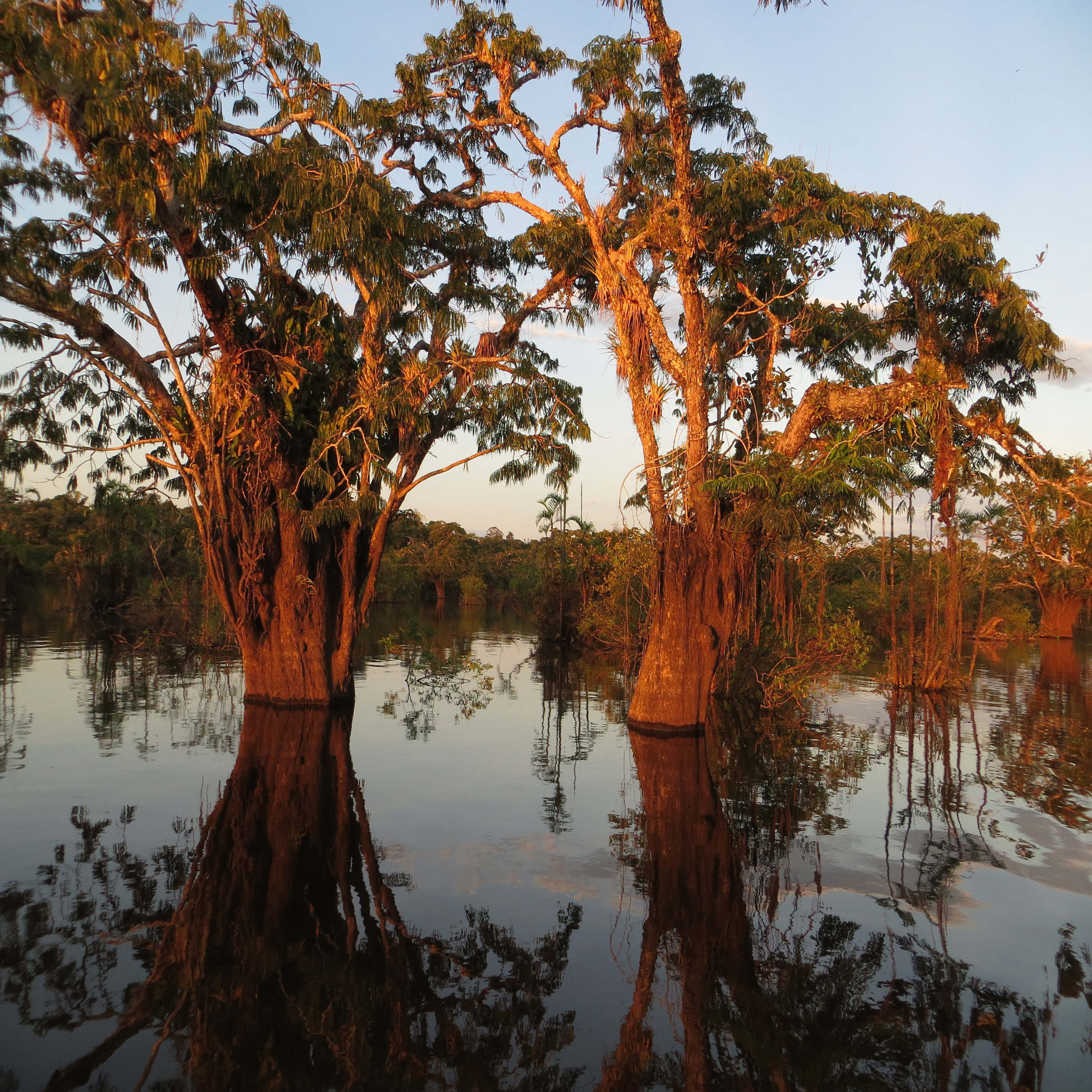
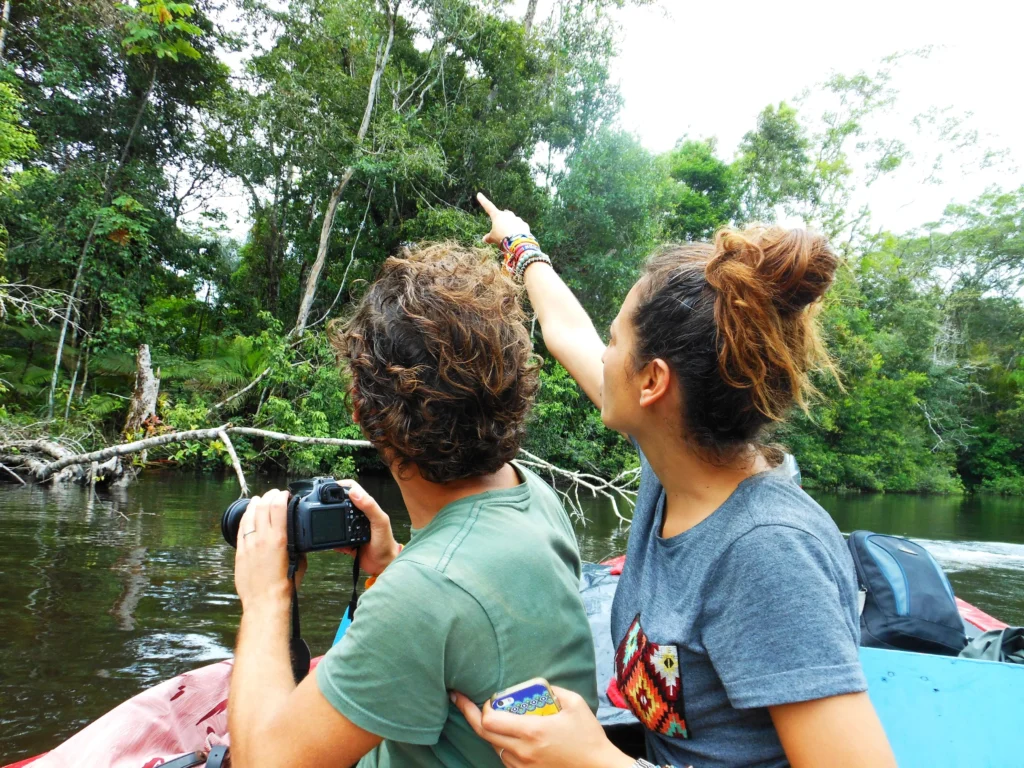
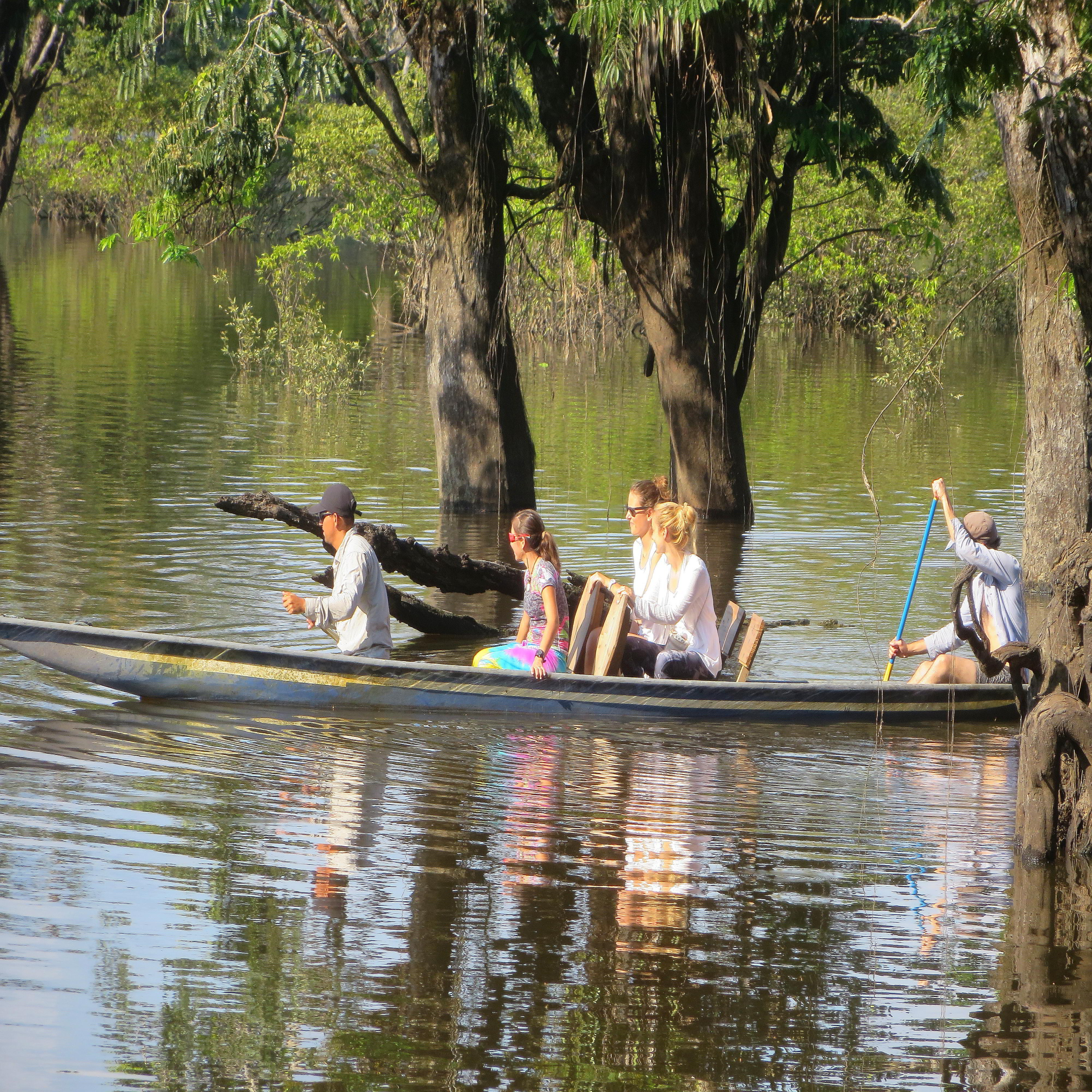
Wildlife doesn’t retreat deep into inaccessible interior here. It concentrates along the water. Monkeys feed in the canopy above your canoe. Herons stand knee-deep in the shallows ten feet away. The waterways are the wildlife corridors, and a paddle through them puts you in direct contact with more species per hour than almost any other access method in the Amazon basin.
For comparison: Yasuni National Park gets more international press, but Cuyabeno Wildlife Reserve is more accessible and less crowded, with a species inventory that compares favorably, over 550 recorded bird species, 10 primate species, and one of the highest concentrations of aquatic wildlife in Ecuador. Choosing Cuyabeno over Yasuni isn’t a trade-off. For most travelers, it’s the smarter call on logistics, value, and overall experience.
The scientist who created the reserve, and then built a lodge on it
In the late 1970s, Dr. Daan Vreugdenhil, a conservation ecologist with a PhD from Wageningen University in the Netherlands, was working as a UN and FAO consultant tasked with designing Ecuador’s protected areas system. His fieldwork and scientific recommendations directly shaped the 1979 FAO report that led to Ecuador formally decreeing 39 protected areas, including the original Cuyabeno reserve. When an invasion into the upper watershed threatened the reserve’s integrity in 1983, Vreugdenhil and colleagues proposed a strategic redefinition: exclude the compromised zones, extend the boundaries south to the Peruvian border. The result was the 590,000-hectare reserve that exists today.
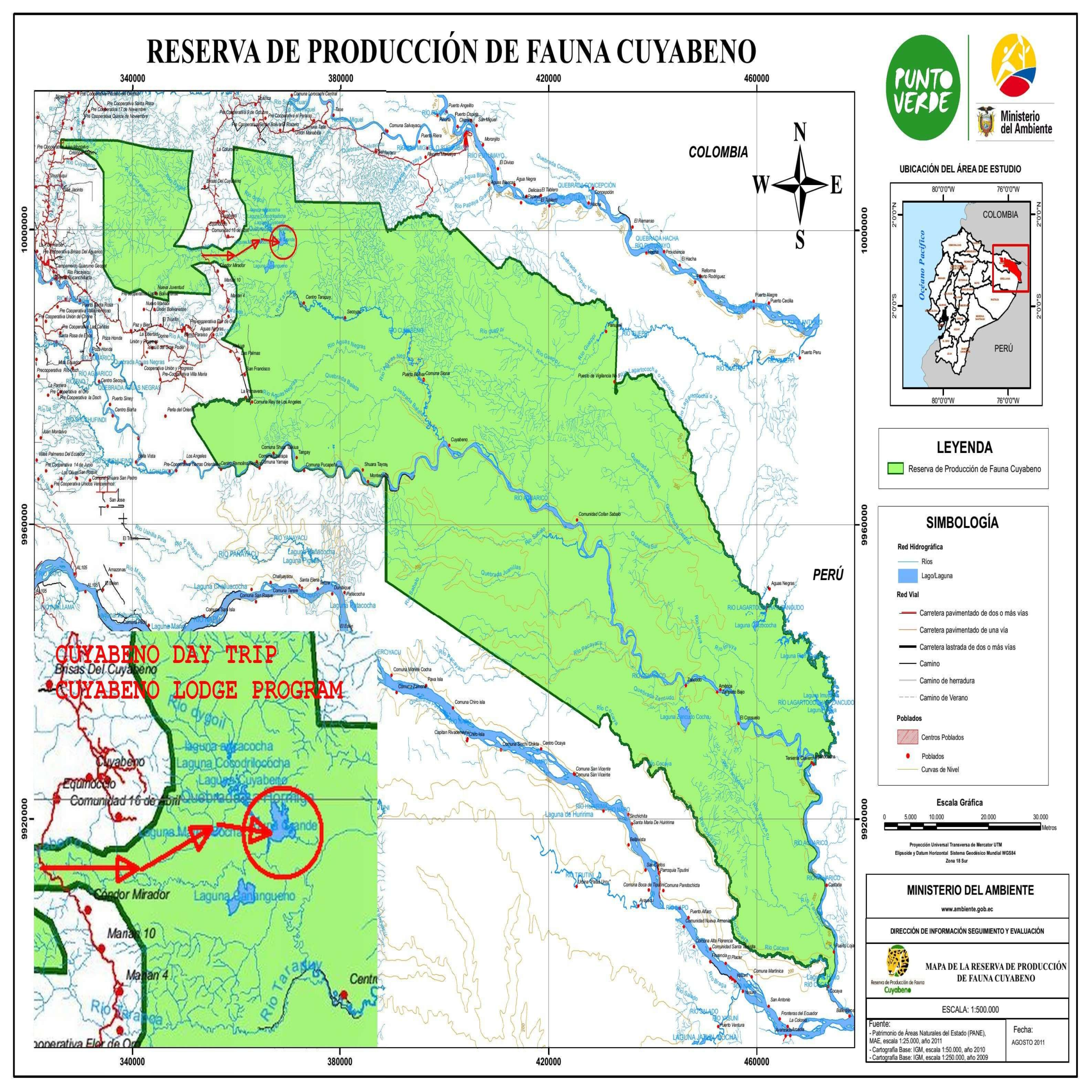
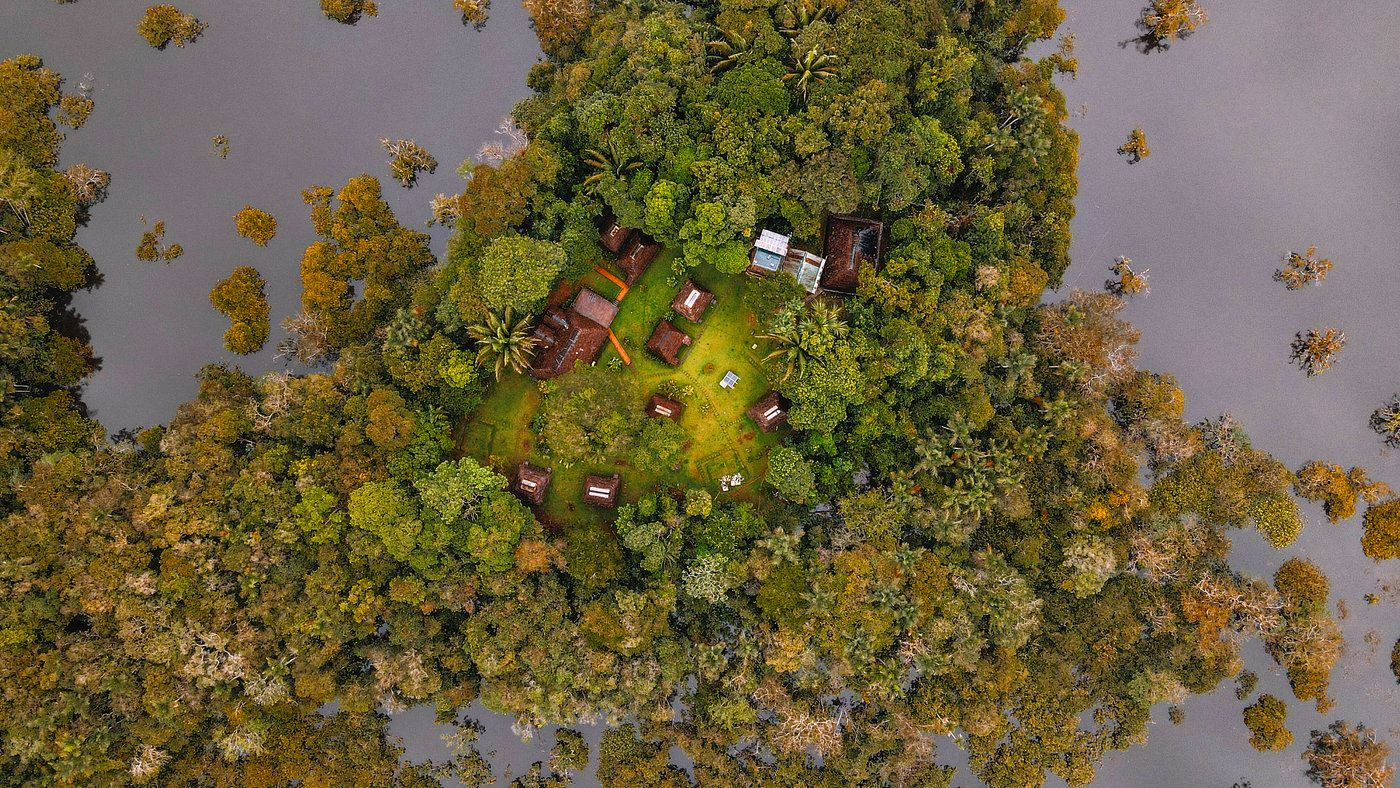
After helping to create the reserve, Dr. Vreugdenhil didn’t move on to the next project. He built Cuyabeno Lodge directly on Lake Cuyabeno, the reserve’s most visually striking body of water, making it the original lodge in the entire protected area. This lodge uniquely carries that historical link to the reserve’s founding ecologist, a connection baked into its guiding philosophy, its island position on the lake, and the depth of ecological knowledge its guides bring to every excursion. Learn more about the lodge’s history and location at CUYABENO LODGE, BEING FIRST, WE CHOSE THE BEST SPOT.
In practical terms, the lodge’s location means guests step off the dock and are already on the reserve’s most productive wildlife water. The sunset viewing deck faces the lake directly. Pink river dolphins are often visible from the lodge’s waterfront vantage points. That’s not a coincidence; it’s the result of someone who knew exactly where to build.
Wildlife you’ll realistically see in Cuyabeno Wildlife Reserve
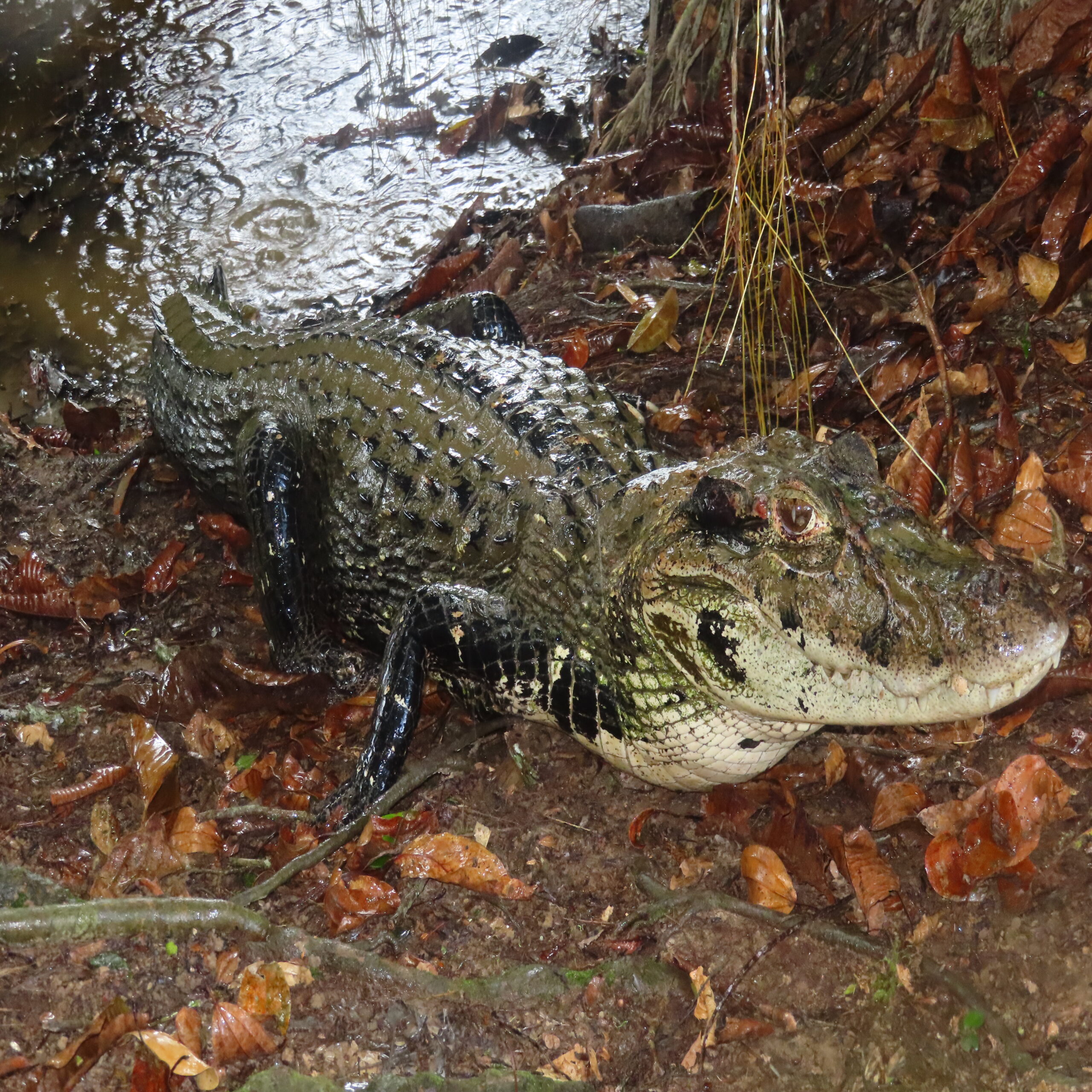
Pink river dolphins appear regularly on canoe outings and lagoon trips, particularly in the larger open-water sections of the reserve. They’re not guaranteed on every outing, but sightings are genuinely common rather than rare events. Black caimans are most reliably spotted on night canoe rides, when guides sweep a flashlight across the water’s surface and catch the orange eye-shine along the banks.
River otters tend to show up near vegetated shorelines in the early morning, darting in and out of the root systems.
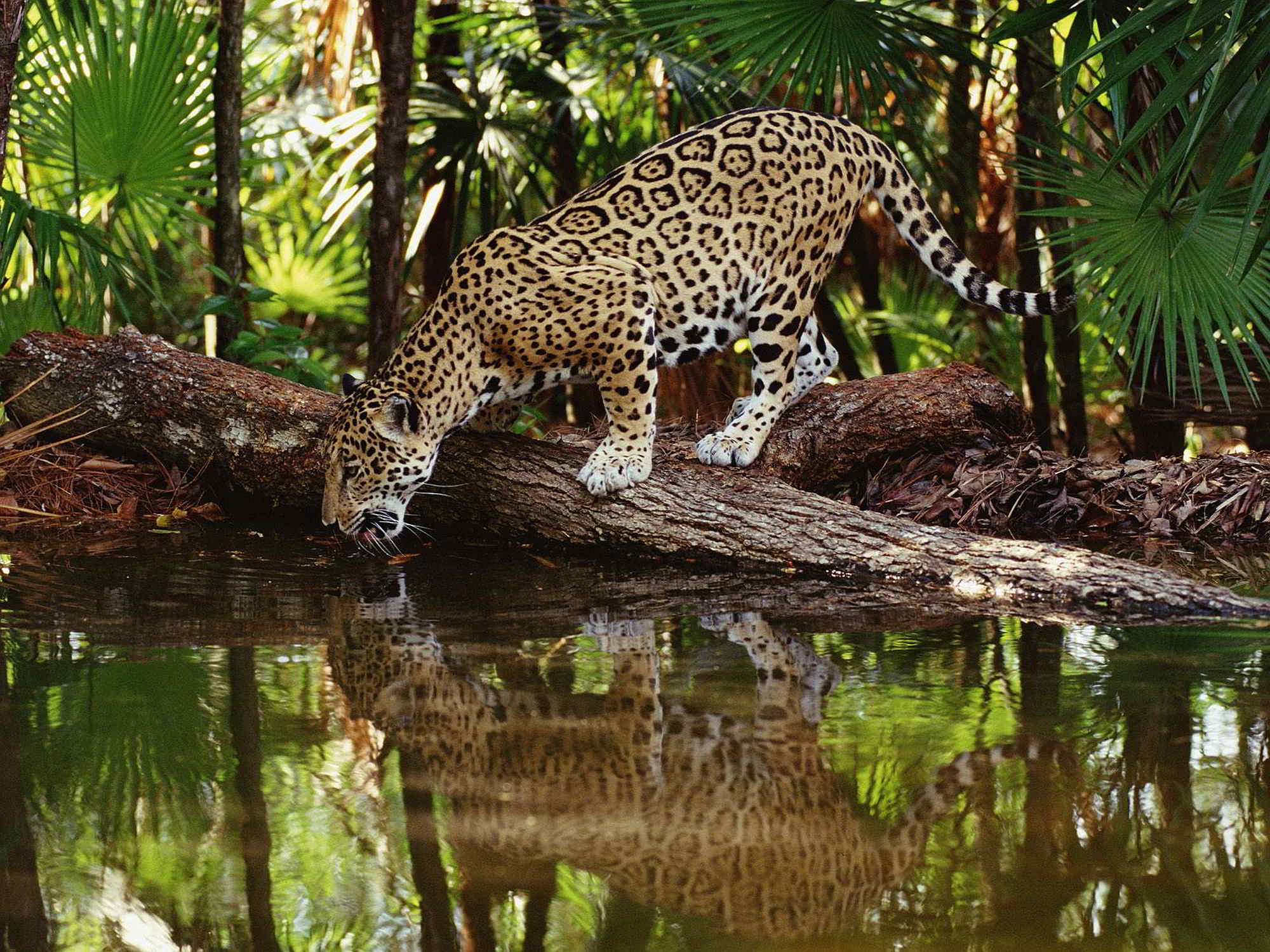
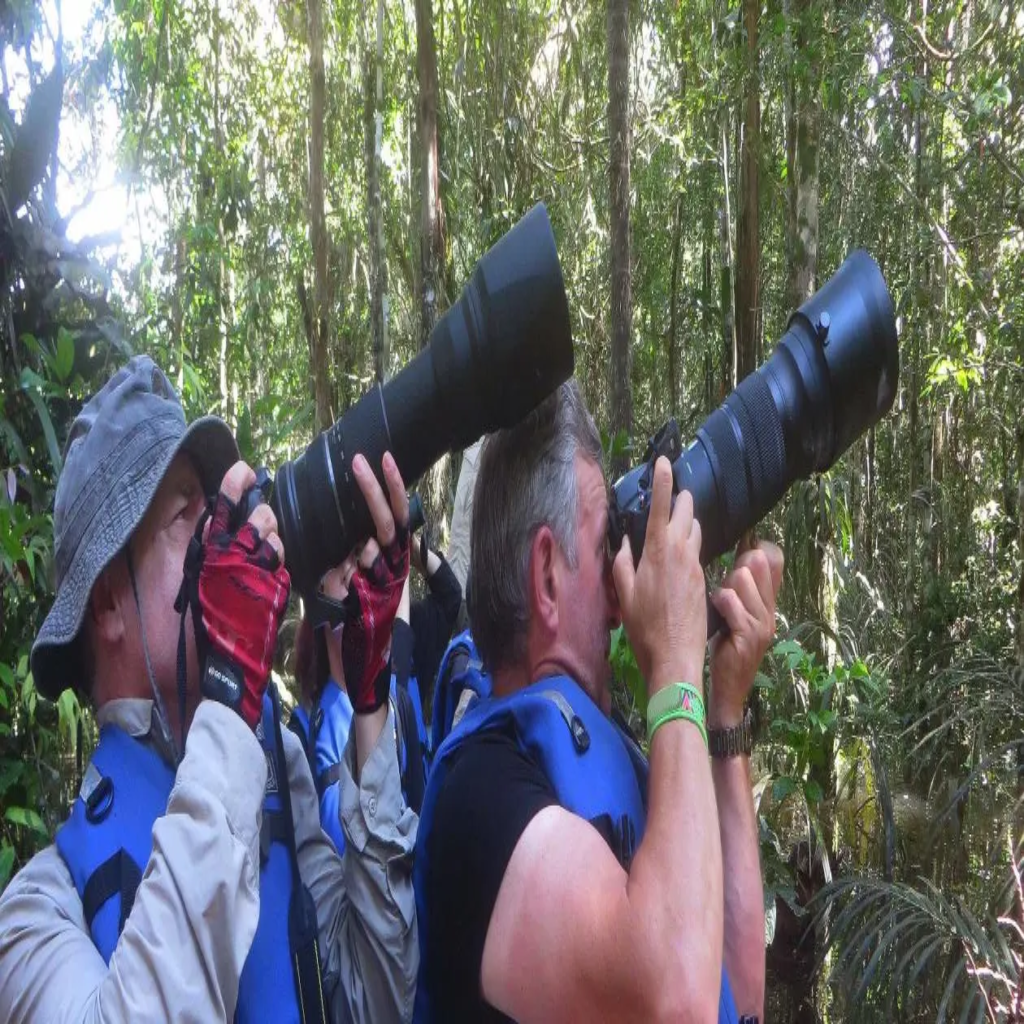
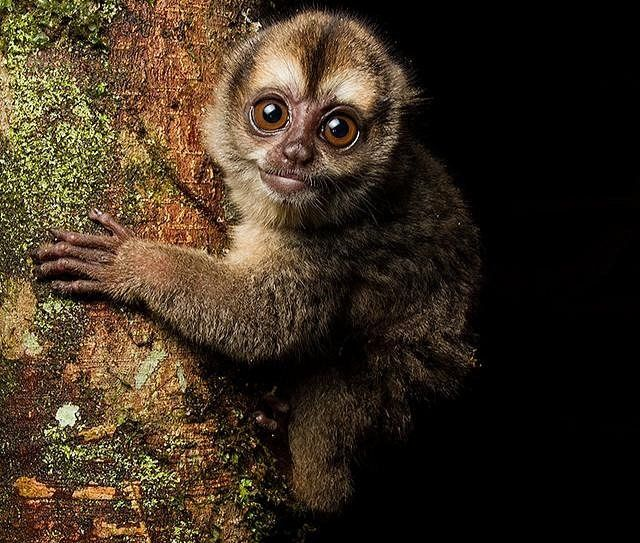
Monkeys are, in the words of experienced guides, everywhere. Cuyabeno has 10 confirmed species, and squirrel monkeys, woolly monkeys, and howler monkeys appear frequently on daytime canoe excursions through tree-lined channels. Birds are the consistent daily highlight, with over 550 recorded species giving even casual observers a solid running list within the first couple of days. Hoatzins perch on riverside branches so reliably they’ve become something of a reserve mascot. Macaws, toucans, kingfishers, and agami herons reward early morning paddles. Serious birders target species like the harpy eagle, crested owl, and plum-throated cotinga.
Peccaries and tapirs require patience and quiet movement, but both are part of the documented species record and show up often enough that your guides will be actively looking. Here’s a simple activity-to-species map to help you prioritize:
- Dawn paddle: best for birds, especially herons, kingfishers, and parrots
- Afternoon canoe safari: best for pink dolphins and primates
- Night canoe ride: best for caimans, amphibians, and owls
- Forest hike: best for understory birds, insects, and slow-moving reptiles
Best time to visit Cuyabeno Wildlife Reserve and how to get there from the US
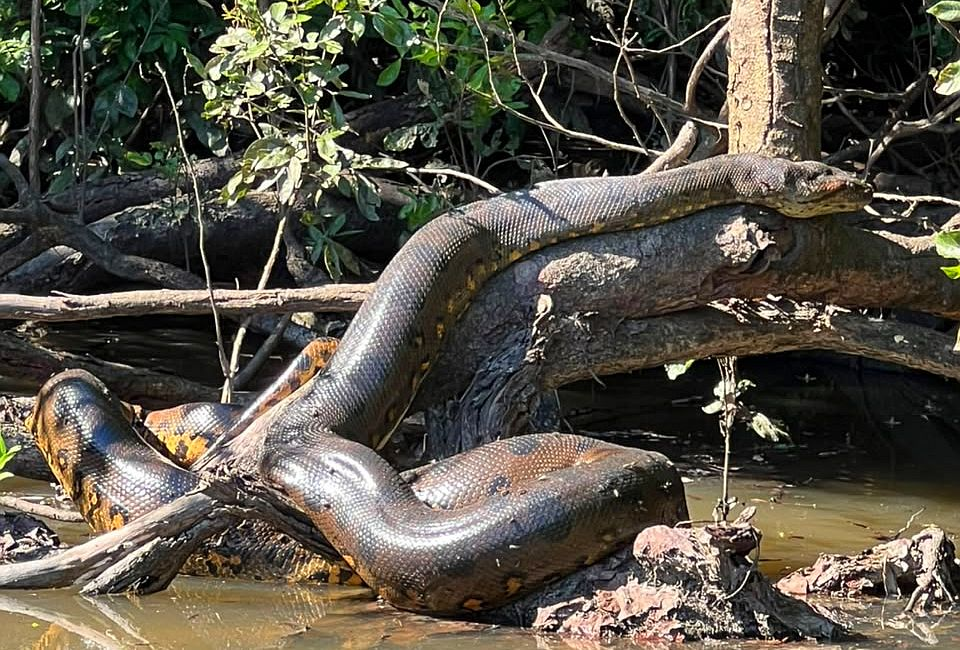
Cuyabeno operates year-round, and neither season shuts the reserve down. The rainy season, roughly February through July, raises water levels and opens the flooded forest to canoe access. Dolphin and bird sightings become easier because the animals spread through a larger water surface area and concentrate near canopy-level feeding zones. If maximum wildlife variety from the water is your goal, plan for high water. The dry season, August through January, drops water levels to reveal riverbanks, improves trail access, and draws caimans and anacondas into exposed shallows where they’re easier to photograph. If hiking and reptile encounters are your priorities, dry season delivers.
Getting to Cuyabeno from the US means flying into Quito first, typically through Miami, Houston, or Atlanta. From Quito, you have three practical routes to the reserve:
- Flight to Coca: 30 minutes of flight time, around $110 one-way, with a total travel day of 5 hours including ground transfer. Fastest option.
- Direct shuttle from Quito to Cuyabeno Bridge: overnight departure, around $37 one-way. Most convenient for independent travelers who don’t want to navigate a public bus through Lago Agrio.
Cuyabeno Wildlife Reserve tours, itineraries, and choosing the right lodge
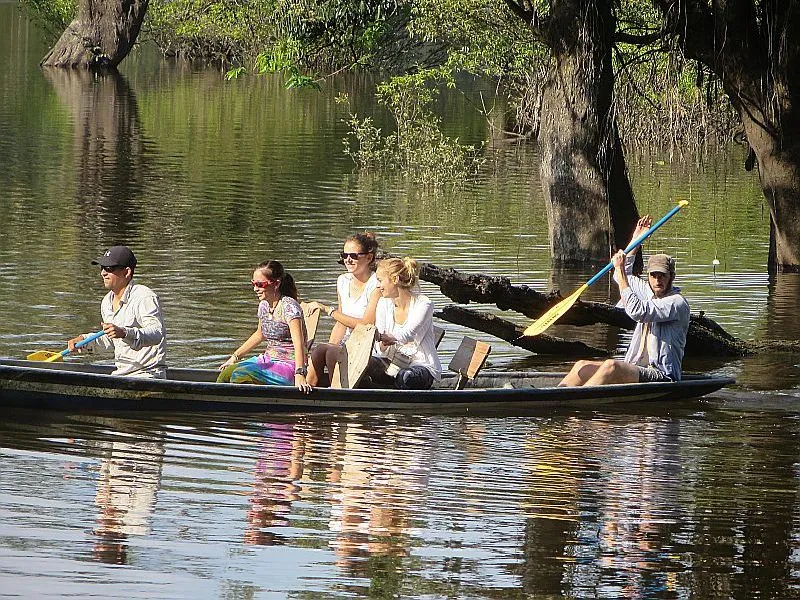
A 3-day tour follows a consistent rhythm: Day 1 is travel, arrival by canoe, first lake visit at sunset. Day 2 is the full-immersion day, morning forest hike, an indigenous community visit with the Siona or Tarapuy people, afternoon canoe safari, night ride. Day 3 is early wildlife before departure. Three days is NOT enough for a genuine Cuyabeno experience. A 4-day tour is the recommended visit time, with canoeing and a second forest hikes, which meaningfully increases your chances of rare sightings. Serious wildlife observers should consider 5 days; anyone pressed for time will still leave satisfied after 3.
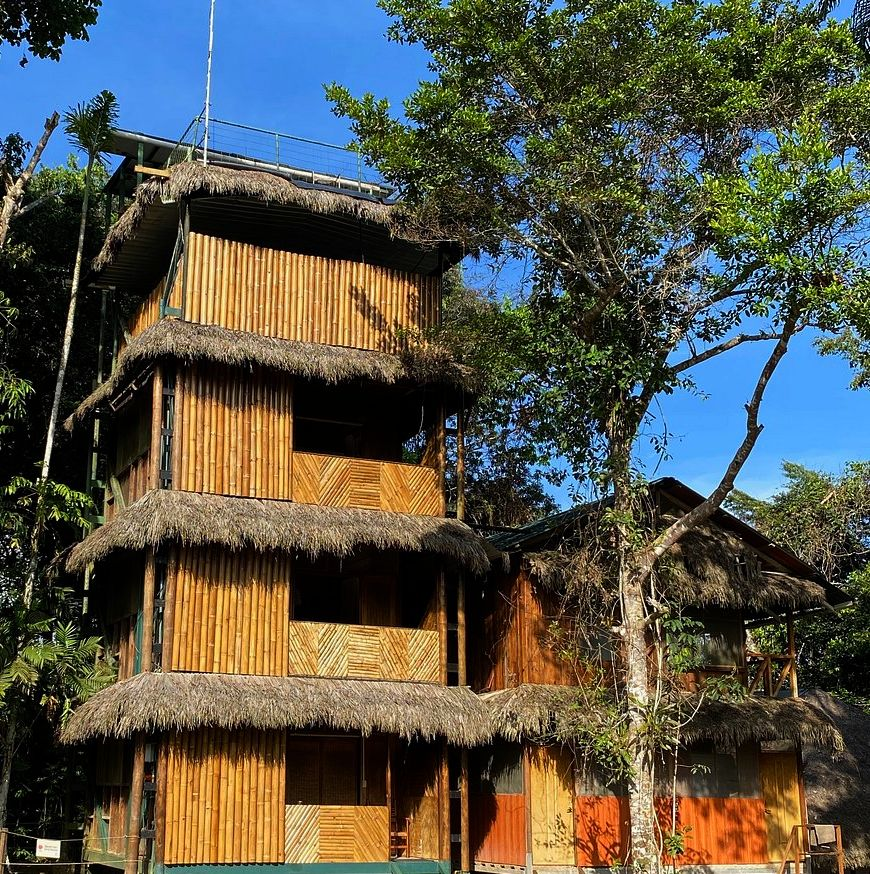
Most all-inclusive packages run from $250 to $400 per person for a 3, 4 day stay, covering canoe transport, meals, guide service, accommodation, and reserve entry fees. “All-inclusive” in this context also typically means rubber boots, rain ponchos, life jackets, and non-alcoholic beverages are provided. You don’t need to pack boots.
Lodge location is the single most consequential booking decision you’ll make. Most lodges in Cuyabeno sit on the Cuyabeno River, not the lake. That means every trip to Lake Cuyabeno for activities or sunset viewing requires a 30-minute boat commute each way. Over a 3-day stay, that commute accumulates into a meaningful portion of your available time. Cuyabeno Lodge sits on an island directly in the lake, eliminating that commute entirely. Guests have direct excursion access, unobstructed sunset views from the deck, and more field time per day than guests at river-based lodges. This is a logistics point, not a sales pitch: the math simply works out differently depending on where you sleep.
What to pack and what to expect day-to-day
The Cuyabeno lodge at a quality lodge, not a survival exercise. It provides hot showers, freshly prepared meals, and screened accommodation. You’ll be comfortable. What you bring determines how productive your time in the field actually is. Pack these:
- Long-sleeve light colored shirts and lightweight pants for sun and insect protection
- Quality insect repellent with DEET or picaridin
- Waterproof dry bags for your phone and camera gear
- Strong hHeadlamp for night walks
- Lightweight rain jacket
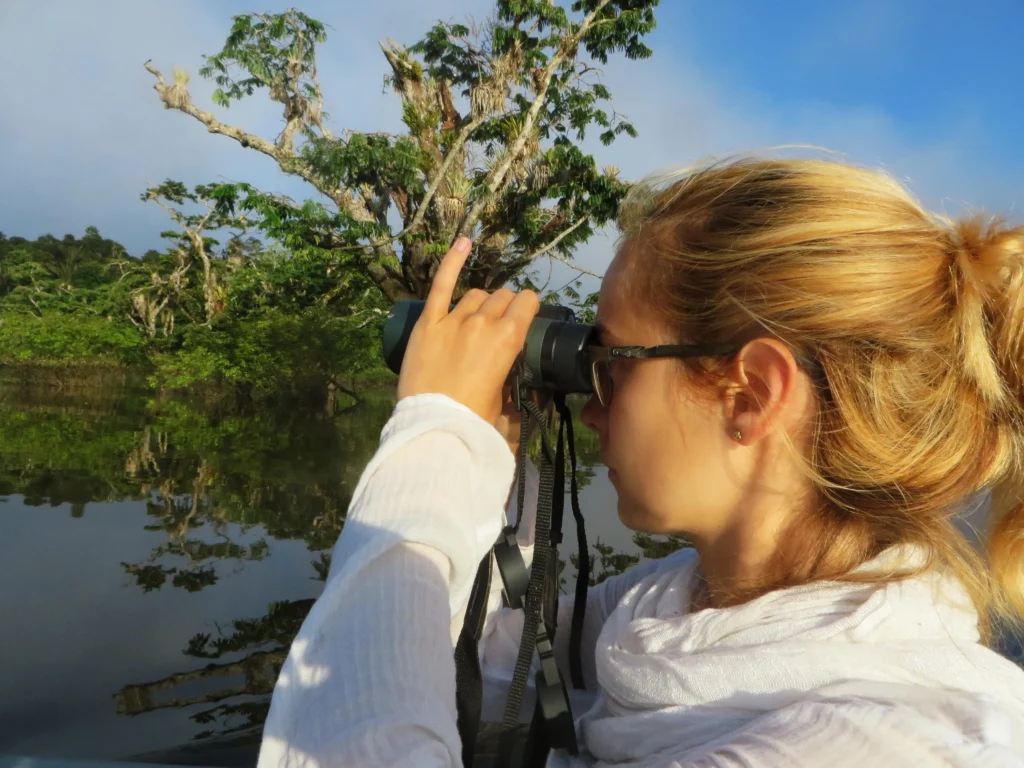
- Binoculars: Indispensible for birding and canopy wildlife
- Sunscreen and personal toiletries
- Sturdy sandals or water shoes for boarding and exiting canoes
appointment.
Ready to book your Cuyabeno trip
The black water, the pink dolphins, the howler monkeys setting the tone for the night. That scene is real, repeatable, and waiting for you in a reserve that most US travelers still haven’t discovered. The right preparation makes the difference between a trip you enjoyed and one you’ll describe to people for years.
Cuyabeno Wildlife Reserve is one of the most accessible, species-rich, and historically significant Amazon destinations in South America. The reserve’s founding ecologist, Sr. Daan Vreugdenhil, AKA “Parksman” built his lodge on the most iconic lake, and that lodge remains the only island-based option among the reserve’s accommodations, a distinction that translates directly into more time on the water and less time commuting to it. That combination of conservation provenance and direct lakefront immersion is rare within the Ecuadorian Amazon.
CUYABENO LODGE, BEING FIRST, WE CHOSE THE BEST SPOT welcomes direct booking inquiries via WhatsApp +593 96 925 7630
The lodge’s island footprint keeps group sizes small, so availability goes quickly in peak months, reaching out a few months ahead is the surest way to secure your preferred dates.