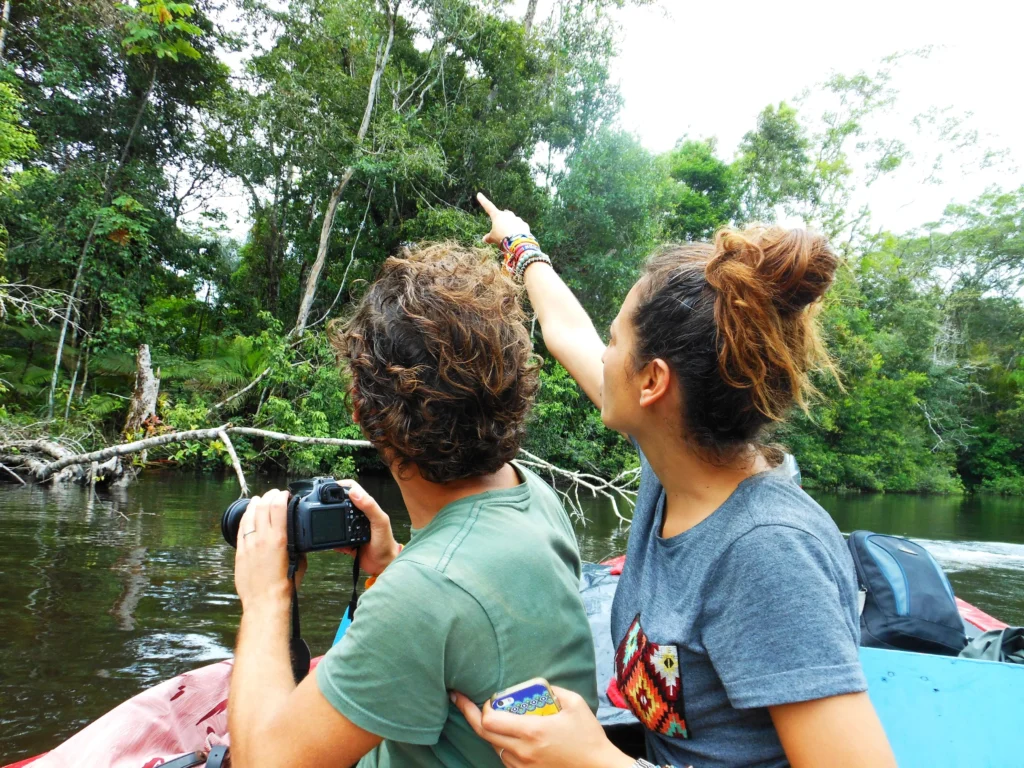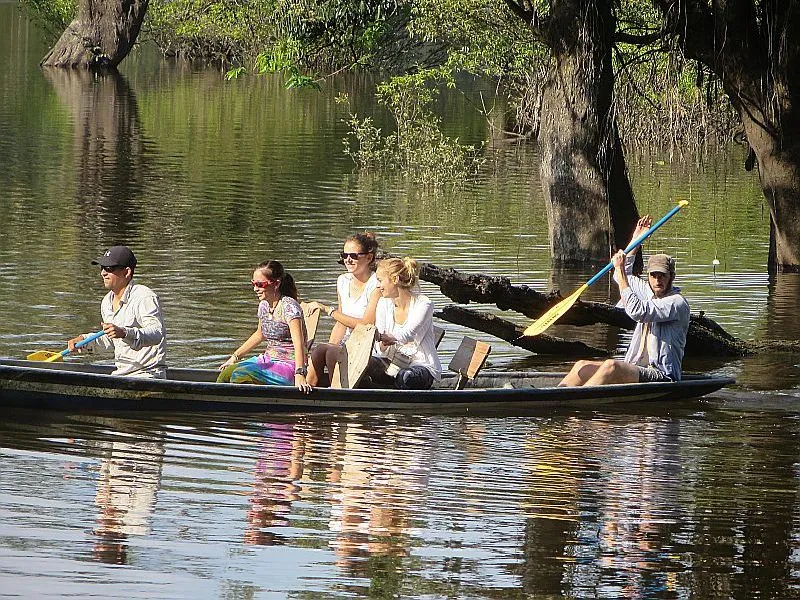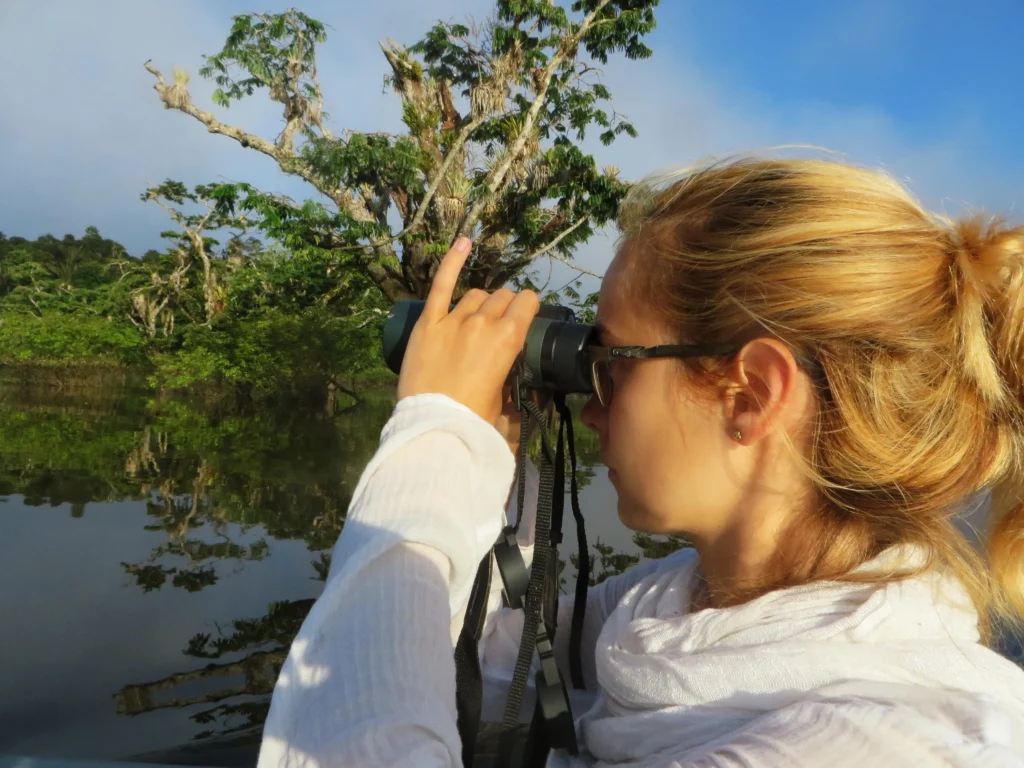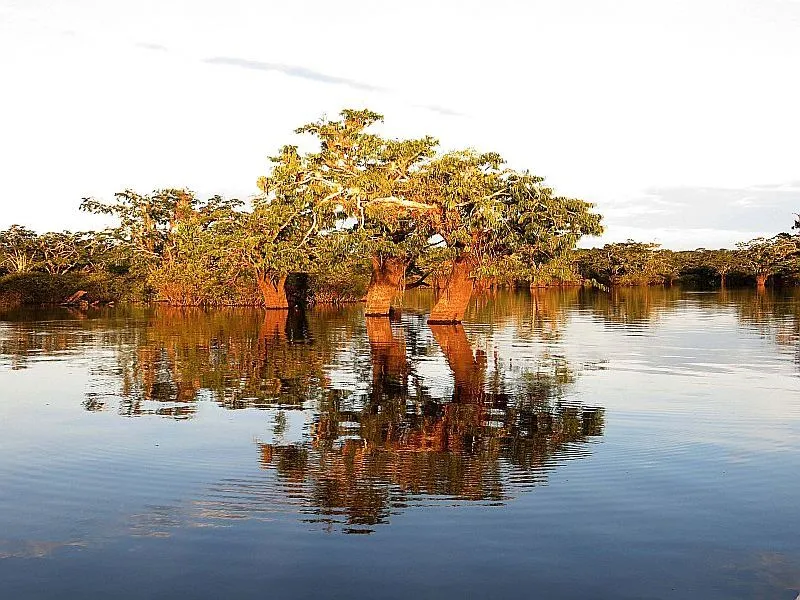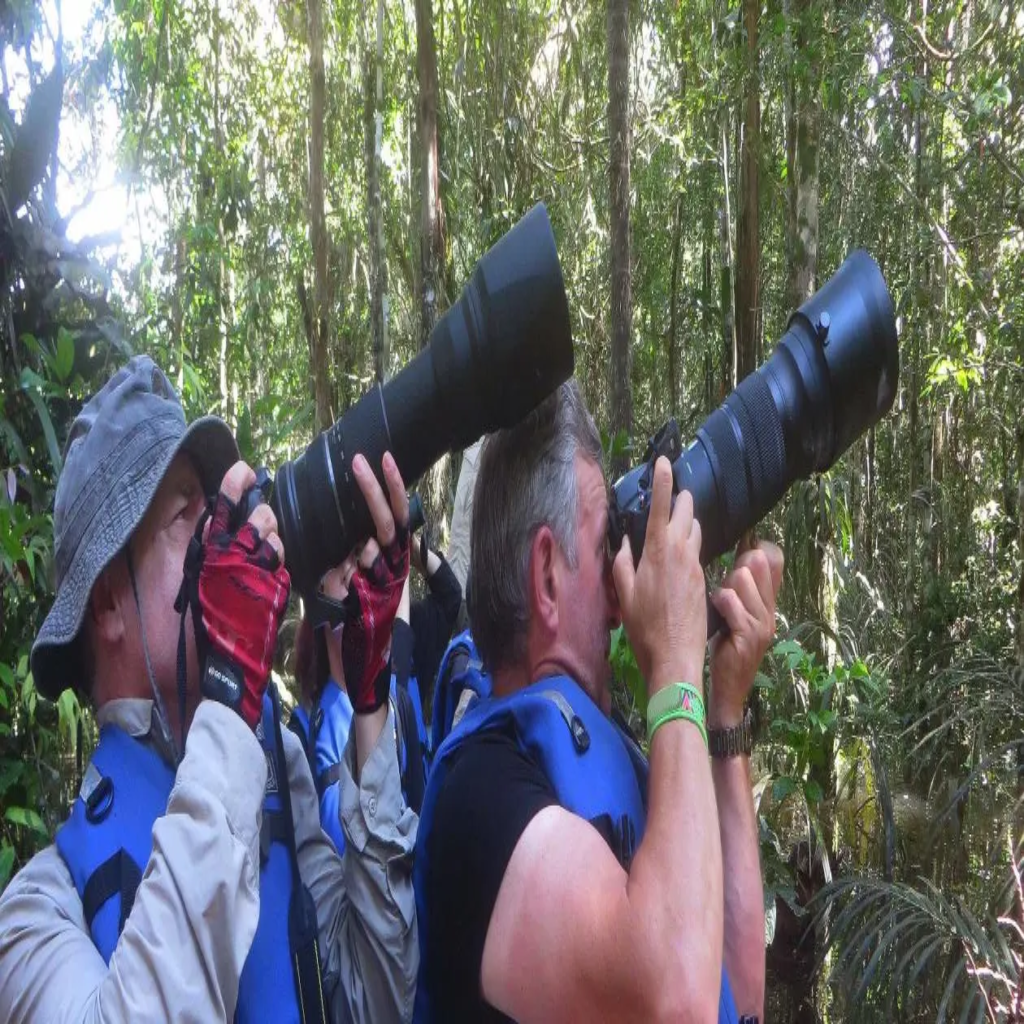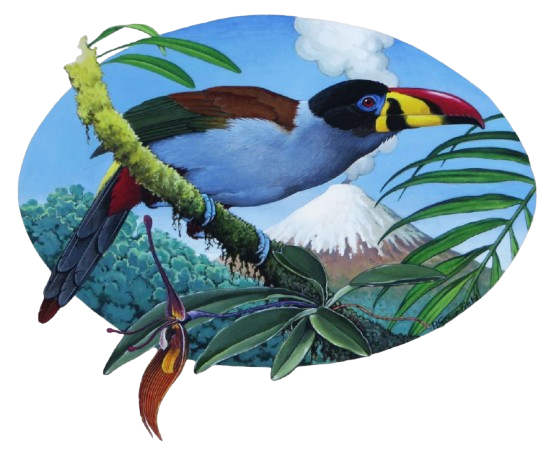

Before the sun breaks the canopy, the Amazon speaks in layers. Frogs fade into silence, a macaw calls somewhere across the black water, and your canoe is already waiting at the dock. This is amazon birdwatching in Ecuador: immediate, immersive, and unlike anything else in South America. Ecuador records more than 1,600 bird species nationally, a figure cited across major checklists including BirdLife International and the IOC World Bird List, and a significant portion of them live right here in the lowland rainforest. Guests at Cuyabeno Lodge step directly from their rooms onto the lake, with immediate canoe access to open water and forest at first light. Whether you’re targeting a life-list species or simply want to understand what you’re hearing in the dark, this guide covers the birds, the habitats, the timing, and the logistics you need to plan a serious trip.
The birds you’ll actually find in Ecuador’s Amazon
Ecuador’s Amazonian bird list runs well past 500 species in a single reserve, and the variety can feel overwhelming. The most useful way to approach it is by habitat band. Knowing where a bird lives saves you hours of searching in the wrong place.
Macaws, toucans, and the canopy flock
The iconic species most travelers picture are real and genuinely accessible here. Scarlet, Blue-and-yellow, and Red-and-green Macaws visit clay licks at sunrise, sometimes in flocks exceeding a hundred birds at the most productive Yasuní-area sites. Channel-billed and Cuvier’s Toucans move through fruiting trees by mid-morning, easy to spot by silhouette even in thick canopy. Parrots and parrotlets work river edges constantly, and the Cobalt-winged Parakeet can appear in extraordinary numbers at the right lick. The non-negotiable window is 5:30 to 8:00 a.m. Bird activity drops sharply once the heat builds, so early starts are the single most important thing you can do to maximize sightings.
Hoatzin, kingfishers, and water-edge specialists
Flooded forest and black-water lagoons hold a completely different set of birds, and you won’t reach most of them on foot. Hoatzin colonies roost along slow channels, their prehistoric silhouettes unmistakable against the shoreline vegetation. Amazon and Ringed Kingfishers perch on exposed branches over the water, while Green Ibis, Wattled Jacana, and Great Egret work the shallows from dawn. Canoe access is what unlocks these species entirely. A good lodge position, one that puts you on the water at first light rather than requiring a lengthy boat transfer, makes the difference between seeing this community of birds and missing it entirely.
Rarer sightings worth targeting
Serious listers come to Ecuador’s Amazon for the harder targets, and they’re here. Pavonine Quetzal turns up in mature terra firme forest; Rufous and Great Potoo appear at dusk or on known daytime roosts. Fiery Topaz haunts flowering forest edges, Harpy Eagle requires extended full-day excursions, and Nocturnal Curassow demands a pre-dawn boat. None of these are guaranteed, and none respond to casual effort. Persistence, a genuinely expert guide, and multiple full days in the field are what separate a hopeful expectation from an actual tick on your list.
Where to go: Amazon birdwatching hotspots in Ecuador
Ecuadorian Amazon birding concentrates in two main regions, each with a distinct character. Understanding the difference helps you choose a base that matches your target species and travel style.
Cuyabeno’s flooded forest and lakefront advantage
Cuyabeno Wildlife Reserve is Ecuador’s premier destination for wetland and flooded-forest birding. The black-water lagoons are navigated entirely by canoe, and the diversity of waterbirds, including Hoatzin colonies, Wattled Jacana, Amazon Kingfisher, and a strong supporting cast of herons and ibis, is exceptional. Cuyabeno Lodge sits directly on Lake Cuyabeno as the only island-based lodge in the reserve. That position means guests step off the dock straight into productive habitat, with no additional boat transfer required before the birding begins. From the lodge, you’re already in it. Expert naturalist guides read the lake throughout the day, and the sunset deck provides a natural vantage point for late-afternoon observation as birds return to roost across the open water.
Yasuni, Napo River, and terra firme forest birding
The Yasuní-Napo region is Ecuador’s heavyweight for sheer species numbers, with several lodges in the area regularly listing 550 to 600 species. Clay-lick macaw viewing is strongest here, and canopy towers open up toucans, tanagers, and high-canopy flocks that are otherwise difficult to observe. The Napo River corridor adds river-island specialists like Castelnau’s Antshrike and Orange-headed Tanager, birds tied to a habitat type that doesn’t exist inside Cuyabeno Reserve. Both regions offer genuinely distinct experiences, and a multi-week itinerary that includes both is entirely worthwhile for dedicated birders.
When to go for amazon birdwatching in Ecuador
Timing matters at two scales: daily rhythm and seasonal window. Getting both right dramatically increases what you see.
The daily routine: dawn paddles and dusk observation
The ideal birdwatching day starts on the water by 5:30 a.m., when vocalization peaks and the forest is most active. Active birding runs productively through mid-morning, then gives way to a rest period during the heavy midday heat when most birds go quiet. The second outing comes in late afternoon, around 4:00 p.m., as light softens and movement picks up again. At Cuyabeno Lodge, the sunset deck over the lake functions as a natural dusk observation point: macaws cross the sky on their way to roost, kingfishers make final passes along the shore, and the whole lake opens up in front of you without walking anywhere.
Seasonal windows and what they change
July through October offers lower rainfall, more passable trails, and wildlife concentrated near remaining water sources, making it the easiest period for first-time visitors. March through June brings rising rivers and flooded-forest access by canoe, which is actually ideal for waterbird diversity and preferred by some experienced birders specifically for that reason. No month shuts down Amazon rainforest birdwatching in Ecuador; rainfall shifts the experience rather than stopping it. Northern migrants add species to the list from October onward, and early-morning outings remain productive in every season.
Planning your Amazon birdwatching trip in Ecuador
The logistics chain here, flights, road, river, runs in fixed windows, and small mismatches cost full days in the field. Getting the sequence right before you book protects your time on the water.
Getting to Ecuador’s Amazon gateways
Flights from Quito to Lago Agrio, the gateway for Cuyabeno, take 30 to 45 minutes. From Lago Agrio, a road transfer connects to the reserve, followed by roughly two hours by motorized canoe to the lodge. The Napo River region routes through Coca (Francisco de Orellana Airport), also 25 to 45 minutes from Quito, with canoe transfers ranging from two to four hours depending on the lodge. Build a buffer night in Quito before any travel day, especially after an international flight, because early-morning departures and afternoon river connections leave no margin for delays. Book lodge and transport together as one itinerary; river departures are tied to fixed windows and lodges arrange the full chain of transfers.
What to pack and how to bird ethically
Essential kit is straightforward: 8×42 waterproof binoculars, a lightweight rain jacket, quick-drying clothing, a dry bag, and a headlamp for pre-dawn departures. The 8×42 format is the consistent professional recommendation for humid jungle conditions because it balances field of view, brightness under canopy, and weight for all-day use. On playback: use it sparingly or not at all in primary forest. Repeated playback on heavily visited trails causes genuine disturbance, and the best guides in Ecuador’s Amazon don’t rely on it. A skilled naturalist guide makes more difference than any piece of gear. When booking, ask specifically for a guide with a documented bird-list track record and confirm whether guiding is private or shared.
Make the most of your Amazon birdwatching in Ecuador
The quiet of the lake just before sunrise, that’s where a great Amazon birding trip actually begins. Ecuador’s rainforest holds very high bird diversity, with reserves and lodges in the region regularly reporting 500 to 600 species, and the quality of your experience depends most on two things: where you sleep and who guides you.
Cuyabeno Lodge is island-based on Lake Cuyabeno, providing immediate canoe access to the reserve’s most productive wetland and flooded-forest habitat. The lodge’s experienced naturalist guides and its location at the heart of the reserve make it a well-suited anchor for any serious Neotropical birdwatching itinerary in Ecuador. You wake up already inside the habitat, not on your way to it.
Before you pivot to booking logistics, consider what one extra day on the water actually returns: a specialist guide who knows the lake’s roost sites can locate species in an afternoon that a week of independent searching might miss. When you’re ready to plan, reach out to our team directly via WhatsApp to discuss multi-day itineraries. Slots fill months ahead, especially for peak-season departures and guests requesting specialist guiding, so connecting early gives you the widest range of options.