
Quito sits almost exactly on the equator, which makes the climate in Quito genuinely surprising on your first morning there. Pull back the curtain and the air is cool, a bit thin, and nothing like the tropical warmth the word “equator” implies. That’s because Quito isn’t a coastal city. It’s a highland city parked at 9,350 feet in the Andes, and that altitude overrides every expectation you brought from home.
For most American travelers, Quito is the starting point rather than the destination. Many spend a single night here before catching an early flight or bus northeast toward Lago Agrio, where the road leads into Ecuador’s Amazon lowlands. If you’re heading to the Cuyabeno Wildlife Reserve, that journey eventually ends at the edge of Lake Cuyabeno and one of the most dramatically different climates you can experience within a single country. But before any of that happens, you spend a night in the highlands, and understanding Quito’s climate makes that first stop much easier to navigate.
Climate in Quito: Why the Weather Barely Changes All Year
The equator effect vs. the altitude correction
Meteorologists classify Quito under the Köppen classification system as a Cfb climate, temperate oceanic, with no true dry season and mild temperatures year-round. In plain terms, that means the city never gets truly hot and never gets truly cold. Sitting at the equator should theoretically push temperatures into the high 80s°F, but the Andes push the city up nearly 9,400 feet, which drops the air down to a stable range in the mid-60s°F year-round. Monthly highs run from just 64°F in July to 65.5°F in March. The spread across all twelve months is barely more than one degree Fahrenheit, about as stable as a highland climate gets anywhere on earth. The Pichincha volcano that frames the city’s western edge plays a role here too, channeling wind patterns and reinforcing the cool, consistent air that defines the region.
Quito monthly averages: temperature and precipitation
The table below summarizes average conditions across the year, based on long-term climate data for the city. These figures give a practical picture of what to expect month by month.
| Month | Avg High (°F) | Avg Low (°F) | Precipitation (mm) | Sunshine (hrs/day) |
|---|---|---|---|---|
| January | 65°F | 50°F | 99 | 5.0 |
| February | 65°F | 50°F | 112 | 4.5 |
| March | 65.5°F | 51°F | 142 | 4.0 |
| April | 65°F | 51°F | 170 | 3.5 |
| May | 65°F | 50°F | 130 | 4.5 |
| June | 64.5°F | 49°F | 45 | 6.0 |
| July | 64°F | 48°F | 20 | 7.0 |
| August | 64°F | 48°F | 25 | 7.0 |
| September | 64.5°F | 49°F | 69 | 5.5 |
| October | 65°F | 50°F | 112 | 4.5 |
| November | 65°F | 50°F | 97 | 5.0 |
| December | 65°F | 50°F | 89 | 5.0 |
What “mild” actually feels like on the ground
The data is one thing; the lived experience is another. Walking around Quito feels like a cool San Francisco morning that never quite warms up. Daytime highs hover in the mid-60s°F, and nights drop into the upper 40s°F, sometimes lower in higher neighborhoods. Cloud cover runs from 41% in July to 65% in March, so when the sun does break through, it hits hard at this altitude. The practical takeaway: pack for cool, not cold, and always carry a layer you can add quickly because temperatures shift fast between sun and shade.
Climate in Quito: Rainy Season vs. Dry Season
When the rains come, and how heavy they actually are
Quito’s climate follows two wetter stretches. March and April are the heaviest months, with April averaging around 170mm (about 6.7 inches) of precipitation. A second wet cycle runs from October through December. The important detail most travel guides skip: the rain usually falls as afternoon showers, not all-day downpours. Mornings are typically fine for walking the historic center, visiting the markets, or getting to the airport. Even in the wettest months, the weather rarely shuts a day down entirely.
The dry season window: June through September
June through September brings the clearest skies and lowest rainfall in the city. July averages just 20mm of rain and delivers 7 sunshine hours per day, the highest sunshine figure of any month. August matches that total almost exactly. If you’re combining an Amazon trip with time in Quito, this window lines up with many American summer travel schedules and offers the most reliable outdoor conditions. One trade-off: clear skies at altitude mean colder nights, so don’t drop the warm layer from your bag just because it stopped raining.
What 2600 – 3000 Meter Does to Your Body in the First 24 Hours
How the climate in Quito affects altitude adjustment
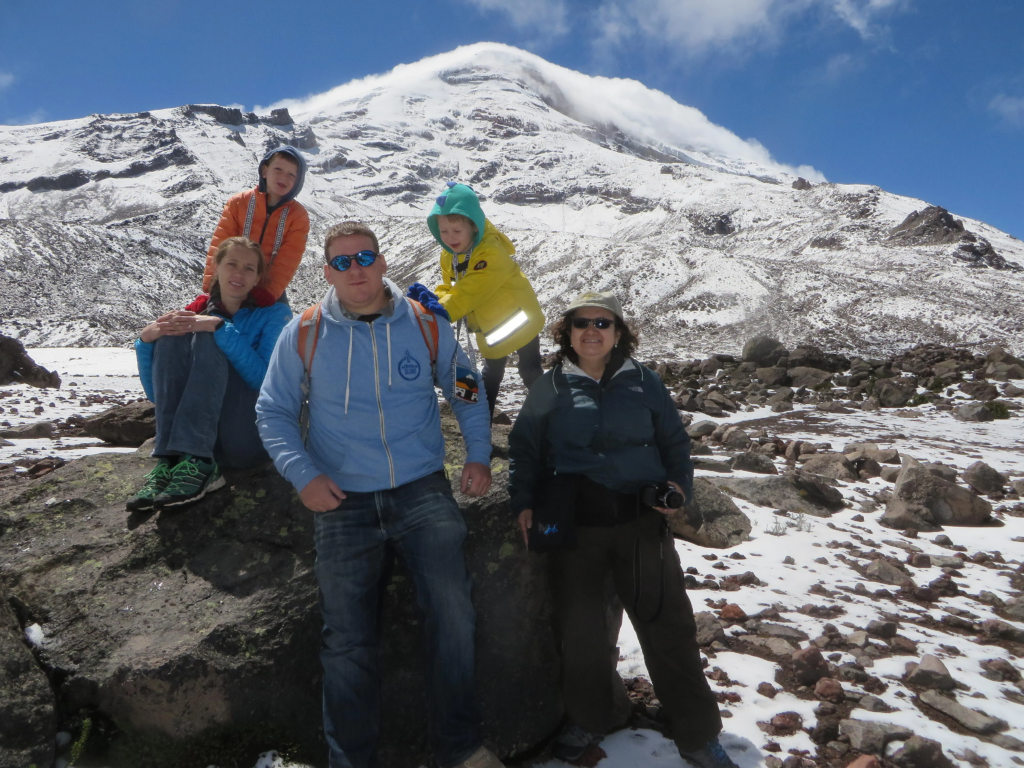
At Quito’s elevation, most healthy adults may feel something: a mild headache, slight breathlessness on stairs, or disrupted sleep that first night. This is normal acute mountain sickness, and for most people it fades within 24 to 48 hours. Hydrate early and often, skip alcohol your first evening, and move at a slower pace than you usually would. If your doctor recommends it, acetazolamide is a well-documented prescription option for altitude adjustment, ask about it before you leave home. Travelers who arrive and rest overnight typically feel noticeably better by the next morning. While having adjusted, continue to walk at a bit slower pace, also when you visit other areas in the mountains, like Cotopaxi, Quilitoa, Baños, Cuicocha, Otavalo, etc. When you come from a lowland home location, your body will need more time than 24 hours to fully adjust to being 3 km up in the air!
UV intensity at elevation
Quito’s UV index runs between 12 and 19 at peak midday hours, depending on the month. The combination of equatorial angle and high altitude pushes UV exposure roughly 30% higher than what you’d experience at sea level. This applies even on overcast days, because UV penetrates cloud cover effectively. Apply SPF 50 before going outside, wear a wide-brim hat, and use sunglasses. Even for a brief afternoon walk through the colonial center, sun protection at this altitude is an absolute must.
The Climate Shift: From Highland Air to Amazon Humidity
What changes when you leave Quito
A one-hour flight from Quito to Coca drops you from 2600 m to roughly 300 m, and the difference is immediate. Temperatures rise from about 22 to 35 degrees Celcius, humidity climbs above 80%, and the air feels dense in a way it never does in Quito. The body that spent the night adjusting to thin, cool air suddenly has to recalibrate entirely. This isn’t uncomfortable; it’s just a different system. Knowing the contrast is coming makes that transition much smoother than being caught off guard by it.
Starting the Cuyabeno Lodge journey
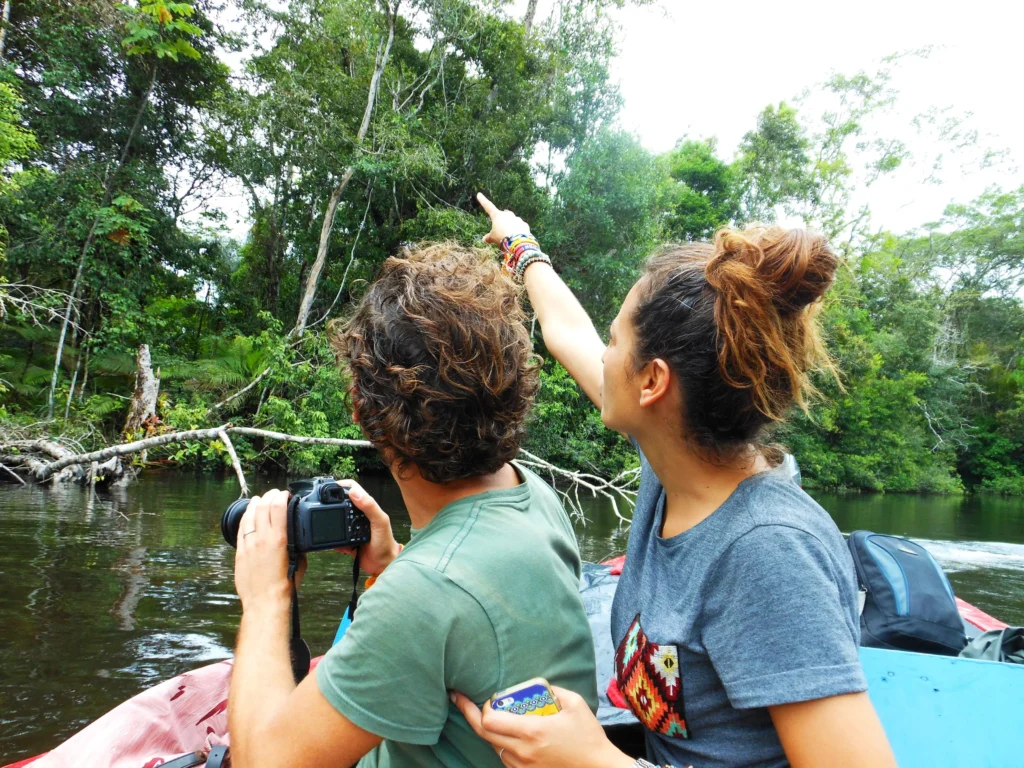
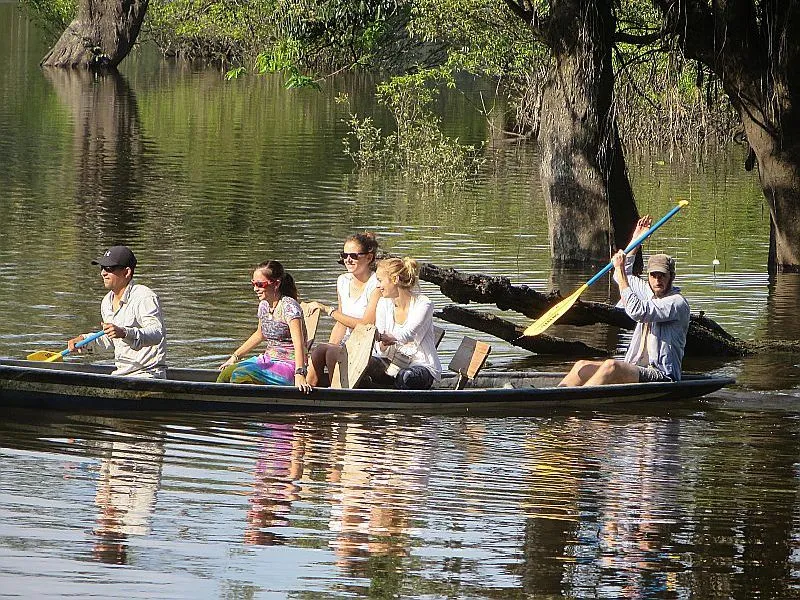
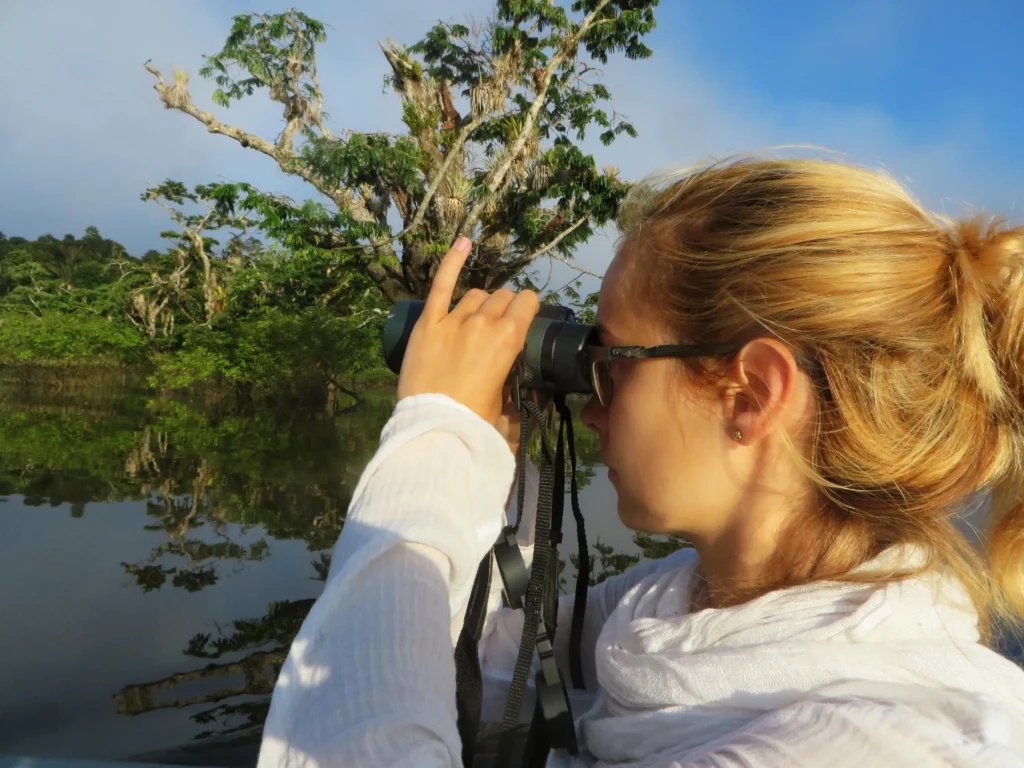
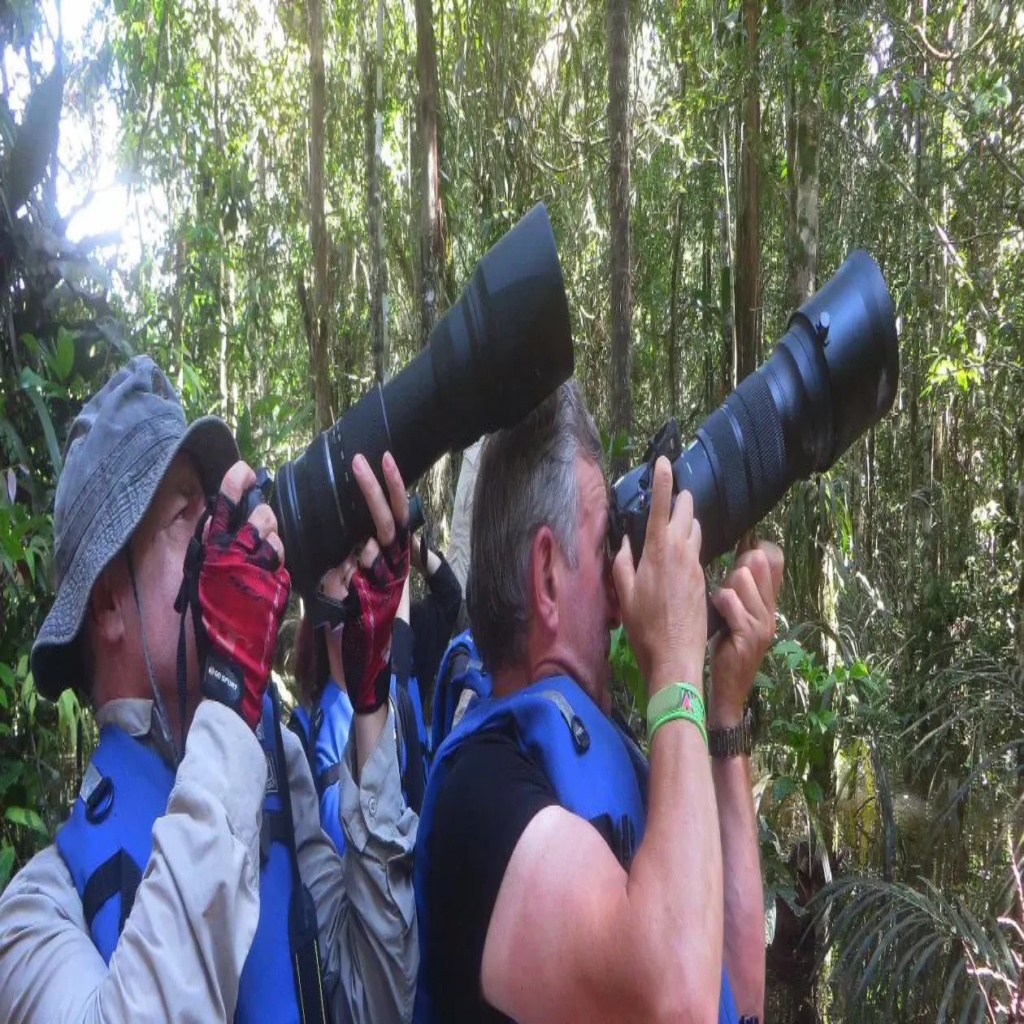
Travelers, on their way to the Cuyabeno Wildlife Reserve, flying into Coca transfer from there by road to the reserve entrance, then by canoe downstream the Cuyabeno River. That canoe ride take you to the island that holds Cuyabeno Lodge, the original and only island-based eco-lodge sitting directly on Lake Cuyabeno. The lodge’s lakefront position means no 30-minute boat commute to reach the wildlife. You simply board a soundless paddle canoe and you’re already there, . , in the full heat and humidity of the Amazon, with pink river dolphins in the water and birds you’ve never seen before calling from the canopy above. Understanding both climates ahead of time means arriving prepared for each one rather than scrambling to adjust mid-journey.
What to Pack for Both Climates
Layers that work for highland mornings
A lightweight fleece or zip-up jacket handles Quito evenings without adding much bulk. Bring a packable rain shell for the wetter months, and wear comfortable walking shoes. The cobblestones in the historic center are uneven and can be slick after afternoon rain. Carry sunscreen, a water bottle, and a small day bag. You don’t need heavy winter gear for Quito, think layering, not bulk. A midlayer over a moisture-wicking base handles most temperature swings the city can throw at you.
Jungle-ready gear for the Amazon leg
Once the Lago Agrio heat arrives, the packing logic shifts completely. Long-sleeve moisture-wicking shirts protect against both sun and insects. Waterproof sandals or trail shoes handle wet boardwalks and canoe boarding. A packable rain poncho, insect repellent with DEET, and a wide-brim hat are non-negotiables. The fleece you wore in Quito can stay tucked in your bag for the duration of the Amazon portion. The good news: you can fit both climate zones into one carry-on by choosing fabrics that breathe well in heat and layer effectively in the cool. A little planning at home means you travel light the entire way.
Planning the Full Journey with Both Climates in Mind
The climate in Quito is one of the most predictable in South America: cool, mild, stable, and shaped almost entirely by altitude rather than season. The rainy-versus-dry distinction affects how often you’ll reach for an umbrella and how much sun you’ll get on the main plazas, but temperature barely moves either way. One focused night of rest, consistent hydration, and thoughtful layering is genuinely enough to arrive feeling good and ready.
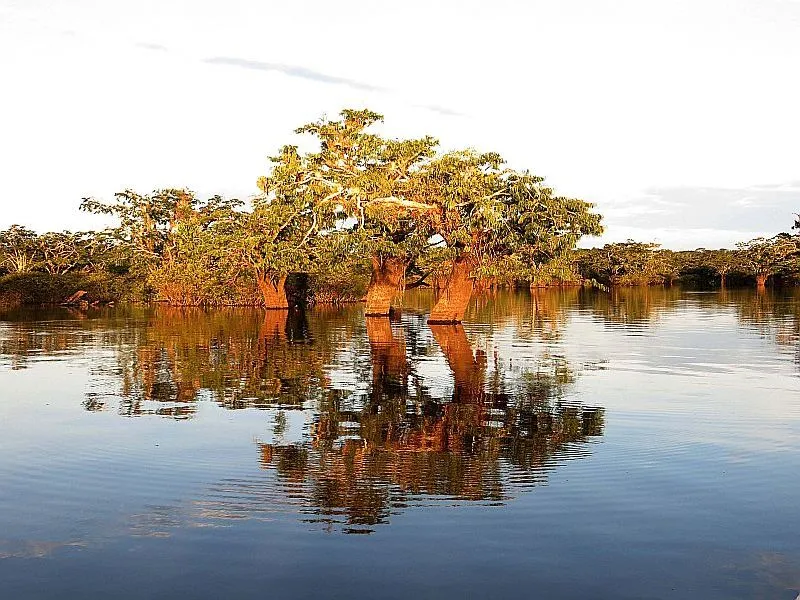
For travelers heading into the Amazon, that preparation matters more than it might seem. The transition from Quito’s high, cool air to the warm, humid canopy of Cuyabeno is dramatic in the best possible way. You land in Lago Agrio and the world changes. By the time you reach the lake and settle into Cuyabeno Lodge, the highland chill is a memory and the Amazon has taken over completely: warm water, the colors of a jungle sunset across the lake, and wildlife found nowhere else on earth. Knowing what each climate asks of you ahead of time means you spend less energy adjusting and more time actually seeing it all.
If you’re planning an Ecuador trip that takes in both worlds, the Cuyabeno Lodge team can walk you through timing, itinerary options, and exactly what to bring for your travel window. They know both the highland and lowland conditions well, and that knowledge translates directly into a smoother, better-prepared journey from Quito to the lake.